Examining Audio Elements' Impact on Session Duration in Electronic Gaming Machines
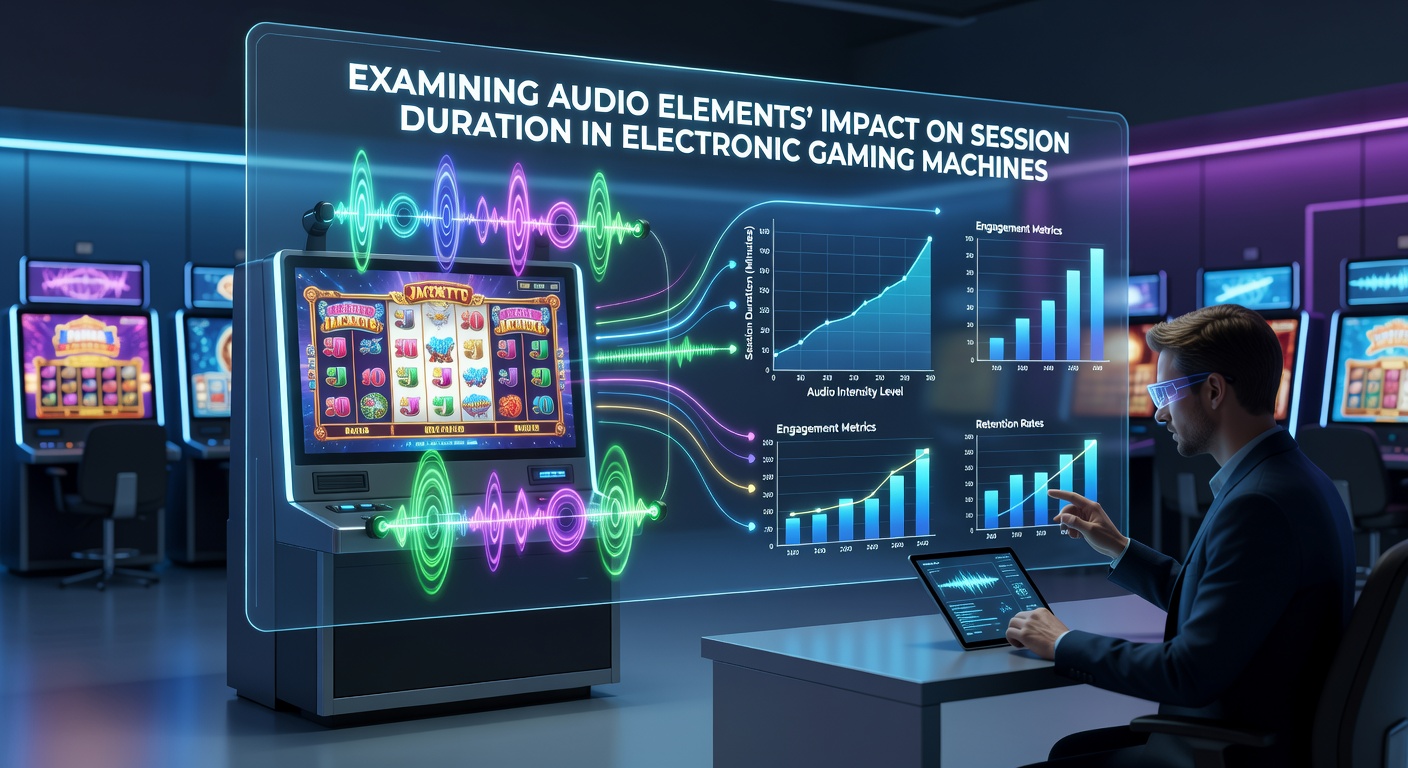
Electronic gaming machines rely on carefully engineered audio layers to shape player behavior and many operators have tracked how specific sound designs correlate with longer play sessions across casino floors. Researchers have analyzed thousands of machine logs from regulated markets and data indicates that layered audio cues such as celebratory chimes and escalating musical builds often coincide with extended session times while simple silence or repetitive loops tend to shorten them. Operators in multiple jurisdictions collect these metrics through central monitoring systems that timestamp every spin and audio trigger so patterns emerge when analysts compare machines with different sound profiles side by side.
Core Audio Components in Modern EGMs
Manufacturers divide audio into distinct tracks that run simultaneously yet serve separate psychological functions and these include ambient background loops that set mood, event-driven win fanfares that reinforce positive outcomes, and anticipatory tones that build tension during bonus rounds. Each track uses frequency ranges and volume curves tuned to avoid listener fatigue while still maintaining attention and studies from North American testing labs show that machines programmed with dynamic volume swells during near-miss sequences record average session increases of several minutes compared with static-volume counterparts. Audio engineers adjust these elements during certification so the final mix meets technical standards set by bodies such as the Nevada Gaming Control Board before machines reach casino floors.
Evidence from Field Studies and Player Data
Multiple peer-reviewed examinations have measured session duration against audio variables and one large-scale project coordinated by researchers at the University of Nevada tracked over 120,000 individual sessions across twelve months. The project found that machines featuring adaptive soundtracks, where music intensity rises with accumulated credits, produced median play times roughly fifteen percent longer than machines using fixed loops and those differences held steady after controlling for denomination and game mathematics. Canadian regulators have also published aggregated anonymized data through their provincial oversight portals and the figures reveal similar correlations in Ontario and British Columbia markets where operators test new audio packages before wide release.
Regional Testing Approaches
Testing protocols differ by jurisdiction yet all require documented audio files and measurable performance logs before approval. In Australia the Queensland Office of Liquor and Gaming Regulation mandates that any new sound package undergo independent laboratory review for both technical compliance and behavioral impact metrics and those reports feed into broader industry databases that operators consult when refreshing machine fleets. European markets follow parallel processes through national gaming authorities and cross-border comparisons show that cultural preferences for musical styles influence optimal audio selections though the underlying relationship between celebratory sounds and session length remains consistent across regions.
Technical Implementation and Regulatory Oversight
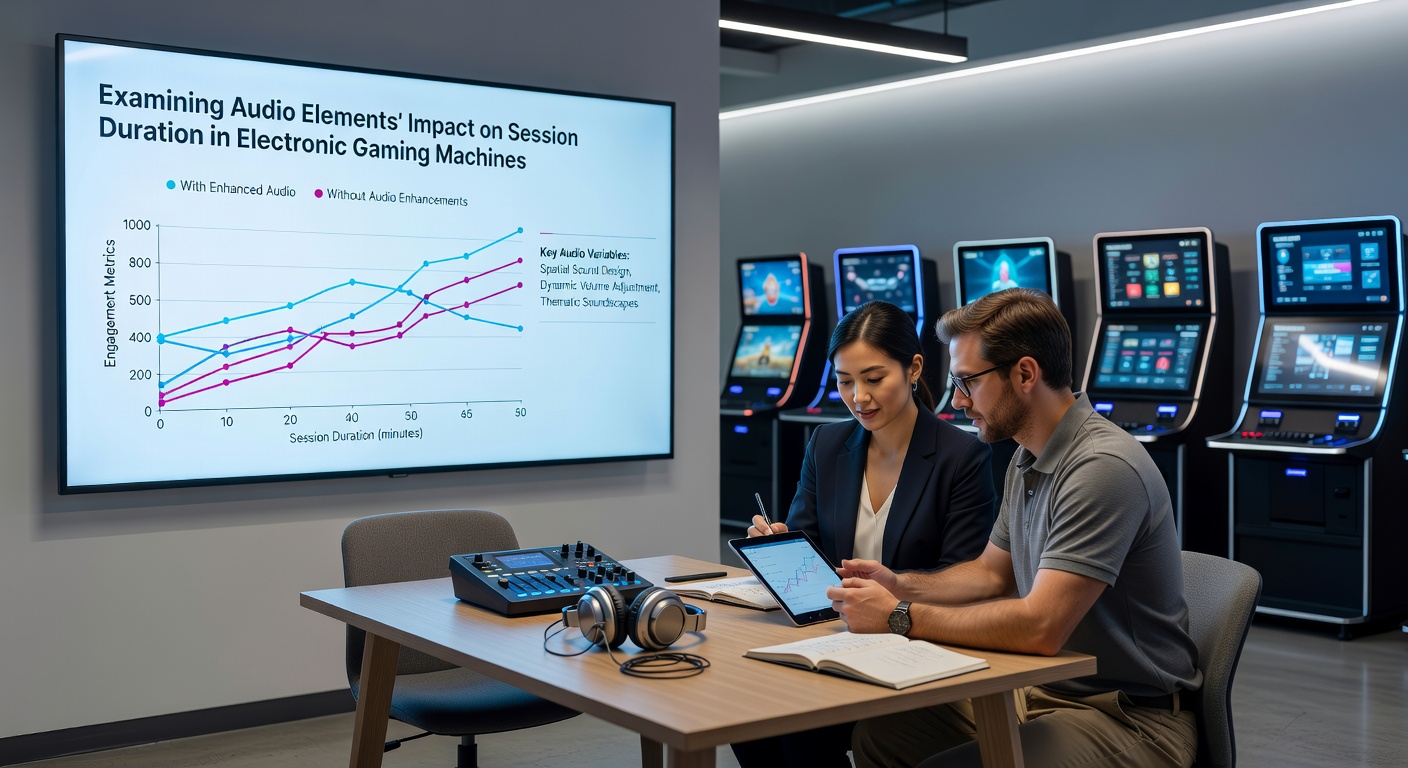
Modern machines store dozens of individual audio assets that the central processing unit mixes in real time based on game state and software updates can swap entire sound libraries without altering the underlying math models. Regulators require that any change receive fresh certification so operators maintain detailed change logs that link specific audio revisions to subsequent shifts in session duration metrics. Industry associations such as the American Gaming Association compile anonymized performance summaries from member properties and these summaries allow manufacturers to benchmark new audio designs against historical norms before deployment.
Sound designers also incorporate psychoacoustic principles that exploit how humans perceive loudness and frequency and these principles guide decisions about when to introduce silence as a deliberate contrast after an extended win sequence. Data collected from machines equipped with player tracking shows that abrupt audio resets sometimes prompt players to end sessions whereas gradual fades correlate with continued play and operators use this information when scheduling floor rotations. Research institutions continue to examine whether certain frequency bands interact with lighting effects to amplify engagement though current evidence centers primarily on audio as an independent variable.
Looking Ahead to Industry Developments
By May 2026 several major manufacturers plan to introduce machines that adjust audio parameters dynamically based on real-time biometric feedback collected through optional player accessories and preliminary trials suggest these adaptive systems could further extend average session lengths in controlled environments. Regulatory bodies in multiple countries have already begun drafting guidelines that address data privacy and audio transparency for these emerging features while maintaining existing session-duration reporting requirements. Operators anticipate that refined audio tools will integrate with broader responsible gaming features so session length data can trigger player alerts when predefined thresholds are reached.
Conclusion
Audio design in electronic gaming machines operates as a measurable variable that influences session duration according to data gathered across regulated markets and ongoing research continues to refine understanding of which specific sound combinations produce the most consistent effects. Manufacturers and regulators work together to document these relationships through standardized testing and transparent reporting so the industry maintains accurate records of how audio changes translate into play patterns. As technology evolves through 2026 and beyond the same evidence-based approach will guide both innovation and oversight.